

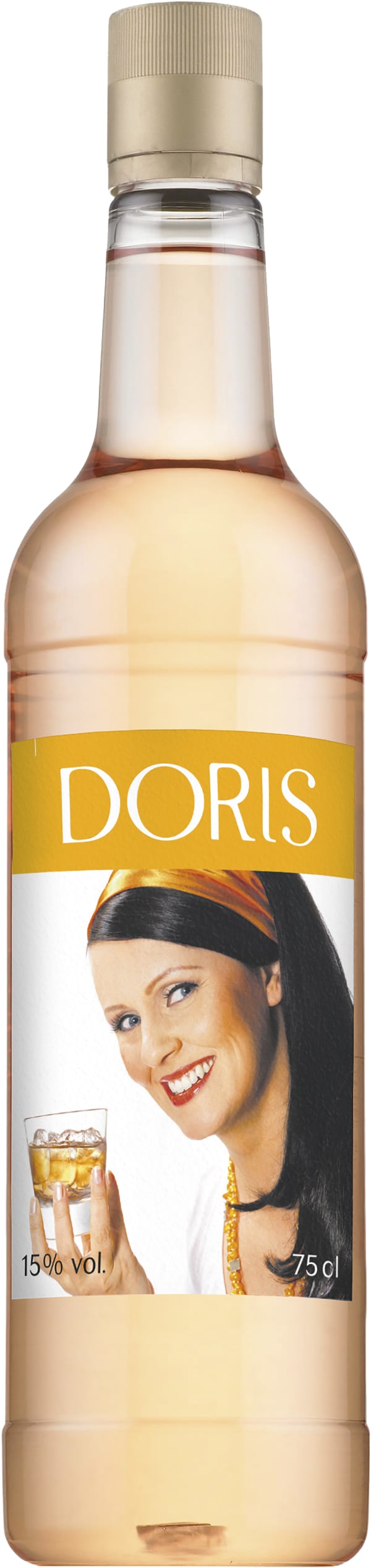
Note! Product image or vintage may differ from the product in the online store or in the store.
Taste profile and more information
Orange-yellow, sweet, apricot notes, hint of honey
Food recommendations
- Party wineBeverages for socialising are usually uncomplicated, with easily approachable flavours that don’t necessarily need to be accompanied by food. They also include beverages that suit a party atmosphere.
- Sweet dessertsThe general rule for pairing a dessert with wine is that the wine should be a little sweeter than the food. Otherwise the flavour of the wine will be lost and it will taste very acidic. It’s also worth trying beer with desserts.
- Mild cheesesPale, fresh and mild cheeses are best enjoyed with similarly fresh and mild beverages. For example, a crisp and acidic white wine, a light red wine, or a flavoursome beer.
Other characteristics
- Suitable for vegansVegan beverages contain no animal-based ingredients, and no animal-based components or materials are used in their production.
Shop online
Delivery
To store 0 €
Delivery in 2 business days
Delivery to pickup point 9.00 €
Delivery in 2 business days
Shop in a store
Stores - Available in ... stores
Taste profile and more information
Orange-yellow, sweet, apricot notes, hint of honey
Food recommendations
- Party wineBeverages for socialising are usually uncomplicated, with easily approachable flavours that don’t necessarily need to be accompanied by food. They also include beverages that suit a party atmosphere.
- Sweet dessertsThe general rule for pairing a dessert with wine is that the wine should be a little sweeter than the food. Otherwise the flavour of the wine will be lost and it will taste very acidic. It’s also worth trying beer with desserts.
- Mild cheesesPale, fresh and mild cheeses are best enjoyed with similarly fresh and mild beverages. For example, a crisp and acidic white wine, a light red wine, or a flavoursome beer.
Other characteristics
- Suitable for vegansVegan beverages contain no animal-based ingredients, and no animal-based components or materials are used in their production.
Shop online
Delivery
To store 0 €
Delivery in 2 business days
Delivery to pickup point 9.00 €
Delivery in 2 business days
Shop in a store
Stores - Available in ... stores
Note! Product image or vintage may differ from the product in the online store or in the store.
Detailed product information
- Price per litre12.00 €
- AllergensContains sulphites
- IngredientsWhite wine; Water; Sugar; Distilled alcohol; Flavouring; Black carrot juice concentrate; Preservative (potassium sorbate, SULPHITES); Acidity regulator (citric acid)
- Sugars110 g/l
- Acids4.6 g
- Product number386837
- ProducerHartwall Turku
- SupplierHartwall
- Selectiongeneral selection
- Energy535 kJ / 128 kcal
- Fat0 g
- Carbohydrates11 g
- of which sugars11 g
Taste
In addition to the most famous fortified wines, there are many less well-known wine types that are classics in their area of production.
Depending on the wine type, the flavours range from floral, raisin and citrus to dark, toasted and intense chocolate.
Usage
These fortified wines are usually sweet and therefore perfect as dessert wines, served with cheese or for socialising.
Fortified wines with muscat aromas are flexible wines that go well with a variety of desserts due to their rich raisin and fresh citrus notes. Marsala wines, with their sweet, dried fruit flavours, are suitable for making dessert sauces and also pair well with rich desserts. Intensely sweet Malaga wines are ideal poured over ice cream. Banyulsia and Commandaria can be enjoyed in the same way as port, with chocolate desserts or strong cheeses.
How to serve
Used as an aperitif, serve fortified wines chilled, at 10–12°C. For socialising and as a dessert wine, serve slightly chilled, at 14–16°C.
Other regionally known fortified wines include Pineau de Charentes, Maury, Mavrodaphne, Montilla-Moriles and Rasteau.
Most Mediterranean countries make fortified wines from grapes belonging to the muscat grape family. Some famous examples are the French muscat de Frontignan, muscat de Beaumes-de-Venice and muscat de St-Jean-de-Minervois and the Portuguese moscatel de Setubal and moscatel de Douro.
- Closureplastic closure
- Package size0.75 l
- Total weight820 g
- Package weight40 g
- Deposit0.20 €