

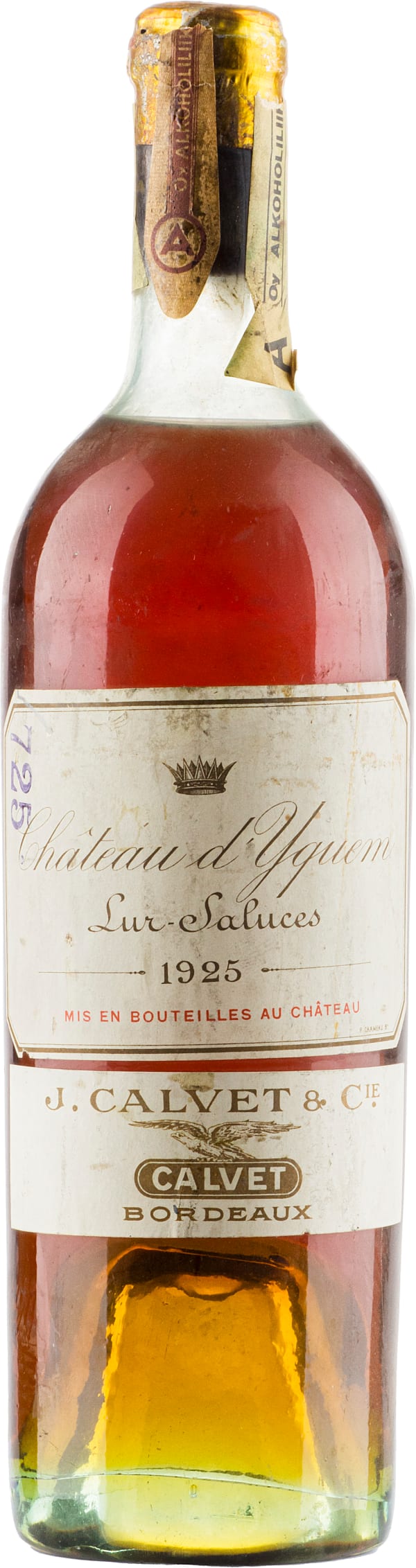
Note! Product image or vintage may differ from the product in the online store or in the store.
Taste profile and more information
Golden brown, amber, sweet, acidic, date notes, ripe citrus notes, hint of raisin, nutty, light oak notes, refined, long
Food recommendations
- Sweet dessertsThe general rule for pairing a dessert with wine is that the wine should be a little sweeter than the food. Otherwise the flavour of the wine will be lost and it will taste very acidic. It’s also worth trying beer with desserts.
- Strong cheesesStrong cheeses work well with comparably full-bodied beverages. If you opt for wine, it will often be sweet and maybe even fortified.
- Chokolate dessertsDark chocolate has a fairly strong flavour that goes best with a full-bodied beer or a rich – and usually sweet – wine. White chocolate has a more delicate flavour, and is therefore better paired with very mild white dessert wines.
- Berries and fruitsIn general, fruit and berries are best accompanied by light beverages that will echo their sweetly fresh and fruity flavours.
Shop online
Delivery
To store 0 €
Delivery in 2 business days
Delivery to pickup point 9.00 €
Delivery in 2 business days
Shop in a store
Stores - Available in ... stores
Taste profile and more information
Golden brown, amber, sweet, acidic, date notes, ripe citrus notes, hint of raisin, nutty, light oak notes, refined, long
Food recommendations
- Sweet dessertsThe general rule for pairing a dessert with wine is that the wine should be a little sweeter than the food. Otherwise the flavour of the wine will be lost and it will taste very acidic. It’s also worth trying beer with desserts.
- Strong cheesesStrong cheeses work well with comparably full-bodied beverages. If you opt for wine, it will often be sweet and maybe even fortified.
- Chokolate dessertsDark chocolate has a fairly strong flavour that goes best with a full-bodied beer or a rich – and usually sweet – wine. White chocolate has a more delicate flavour, and is therefore better paired with very mild white dessert wines.
- Berries and fruitsIn general, fruit and berries are best accompanied by light beverages that will echo their sweetly fresh and fruity flavours.
Shop online
Delivery
To store 0 €
Delivery in 2 business days
Delivery to pickup point 9.00 €
Delivery in 2 business days
Shop in a store
Stores - Available in ... stores
Note! Product image or vintage may differ from the product in the online store or in the store.
Detailed product information
- Price per litre3,986.67 €
- AllergensContains sulphites
- Sugars50 g/l
- Acids8 g
- Product number525037
- ProducerChâteau d'Yquem
- SupplierVapaa
- Selectionspecial edition
- Vintage1925
Taste
Dessert wines are made from overripe grapes that are particularly sweet and aromatic. Grapes are often dehydrated by ‘noble rot’, or botrytis, which lends the wine a honey or medicine flavour.
You can discern notes of peach, apricot, citrus and honey in sweet dessert wines. ‘Noble rot’ dessert wines also have hints of medicine, fresh acidity and intensive, full-bodied sweetness.
Usage
The general rule for pairing a dessert with wine is that the wine should be a little sweeter than the food. Dessert wines go best with fresh berry, fruit and cream desserts.
Try dessert wines with cream pudding, white chocolate mousse, Crêpes Suzette, macarons or blue cheese.
How to serve
Serve sweet dessert wines well-chilled, at 8–10°C. Chilling a bottle from room temperature to the perfect serving temperature takes about three hours in a fridge.
Examples of well-known dessert wines are Sauternes, Tokaji, Beerenauslese, Trockenbeerenauslese and Eiswein.
‘Noble rot’ dessert wines are among the best wines for ageing. Many of them can be cellared for several decades.
- Closurenatural cork
- Package size0.75 l
- Total weight1,500 g
- Package weight750 g