

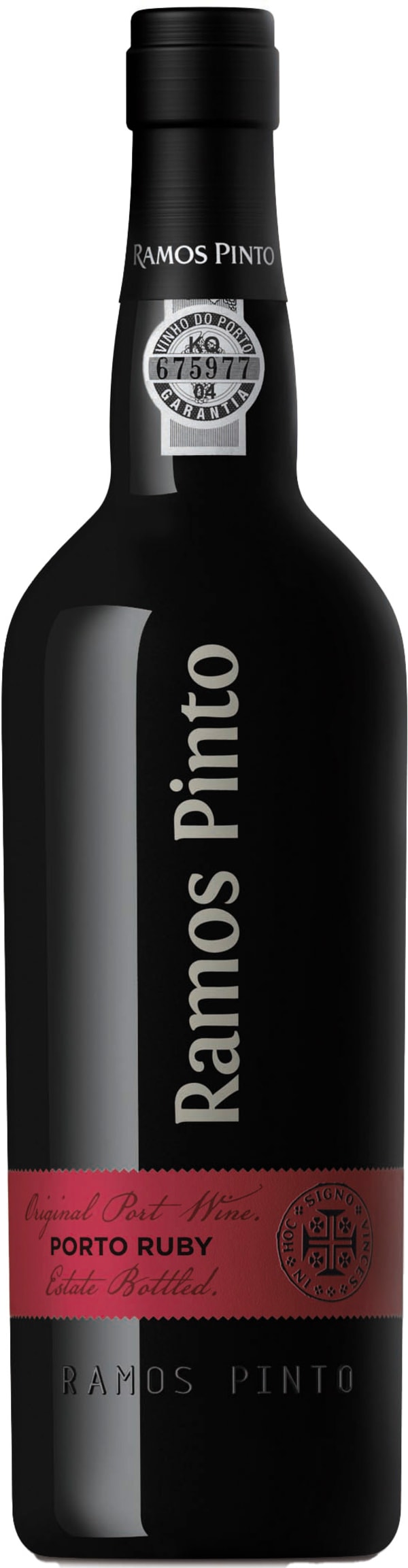
Note! Product image or vintage may differ from the product in the online store or in the store.
Taste profile and more information
Dark red, sweet, cherry notes, plum notes, raspberry notes
Food recommendations
- Sweet dessertsThe general rule for pairing a dessert with wine is that the wine should be a little sweeter than the food. Otherwise the flavour of the wine will be lost and it will taste very acidic. It’s also worth trying beer with desserts.
- Chokolate dessertsDark chocolate has a fairly strong flavour that goes best with a full-bodied beer or a rich – and usually sweet – wine. White chocolate has a more delicate flavour, and is therefore better paired with very mild white dessert wines.
- Strong cheesesStrong cheeses work well with comparably full-bodied beverages. If you opt for wine, it will often be sweet and maybe even fortified.
Shop online
Delivery
To store 0 €
Delivery in 2 business days
Delivery to pickup point 9.00 €
Delivery in 2 business days
Shop in a store
Stores - Available in ... stores
Taste profile and more information
Dark red, sweet, cherry notes, plum notes, raspberry notes
Food recommendations
- Sweet dessertsThe general rule for pairing a dessert with wine is that the wine should be a little sweeter than the food. Otherwise the flavour of the wine will be lost and it will taste very acidic. It’s also worth trying beer with desserts.
- Chokolate dessertsDark chocolate has a fairly strong flavour that goes best with a full-bodied beer or a rich – and usually sweet – wine. White chocolate has a more delicate flavour, and is therefore better paired with very mild white dessert wines.
- Strong cheesesStrong cheeses work well with comparably full-bodied beverages. If you opt for wine, it will often be sweet and maybe even fortified.
Shop online
Delivery
To store 0 €
Delivery in 2 business days
Delivery to pickup point 9.00 €
Delivery in 2 business days
Shop in a store
Stores - Available in ... stores
Note! Product image or vintage may differ from the product in the online store or in the store.
Detailed product information
- Price per litre30.13 €
- AllergensContains sulphites
- Sugars93 g/l
- Product number953068
- ProducerRamos Pinto
- SupplierWennerco
- Selectionsale-to-order selection
Taste
The traditional port family has many members, such as ruby, tawny, white port, late bottled vintage port (LBV) and vintage port.
Ruby ports have intense berry, ripe fruit and spicy notes. Tawny ports are aged in barrels for longer and have mature nut, date and fig notes. LBVs have richer and more spicy flavours than ruby ports, and vintage ports continue to mature in the bottle for years, or even decades.
Usage
Known as a dessert wine, port is also an excellent aperitif and a good match for cheese.
Try ruby port with hard savoury cheeses and rich desserts with dark berries; tawny port with dried fruit, nut pastries and chocolate; LBV with milder blue cheeses and chocolate desserts; vintage port with Stilton or as a ‘meditation wine’; and sweet white port with pears cooked in wine. Port tonic, i.e. dry white port blended with tonic water, is a great aperitif.
How to serve
Serve ports as follows: white ports well-chilled at 10–12°C, vintage ports slightly chilled at 16–18°C and other ports chilled at 14–16°C.
Ports are made in the north of Portugal, in the valleys of Douro and its tributaries.
Over time, a sediment accumulates in a vintage port bottle and this should be removed before drinking the port. Place the bottle in an upright position for 24 hours to make the sediment sink to the bottom. You can also filter the wine using a coffee filter or a decanting strainer. Vintage port should be consumed within a few days after opening.
Unopened ports keep for a few months or even several years, depending on the wine type. Opened tawny ports keep for many weeks and other ports for a shorter time.
- Closurenatural cork
- Package size0.75 l
- Total weight1,360 g
- Package weight800 g